

Florida Homeowners Insurance Quotes: Getting The Right Policy
Finding the right Florida homeowners insurance quotes takes more than a quick online search. At Responsive Insurance, Inc., we know that Naples homeowners face distinct coverage challenges that most other states don’t.
Your policy needs to reflect Florida’s hurricane season, coastal risks, and specific legal requirements. This guide walks you through comparing quotes, avoiding costly mistakes, and selecting coverage that actually protects your home.
What Makes Florida Homeowners Insurance Different
Florida’s insurance landscape stands apart from nearly every other state, and Naples homeowners must understand why before comparing quotes. The state’s coastal geography, hurricane exposure, and specific legal requirements create coverage demands that don’t exist elsewhere. Florida experiences hurricane season from June through November, with the National Hurricane Center reporting that Florida has been hit by more major hurricanes than any other state since 1851. This isn’t theoretical risk-it’s documented history that directly affects what your policy must cover. Additionally, Florida’s rapid population growth and rising property values mean replacement costs climb faster here than the national average.
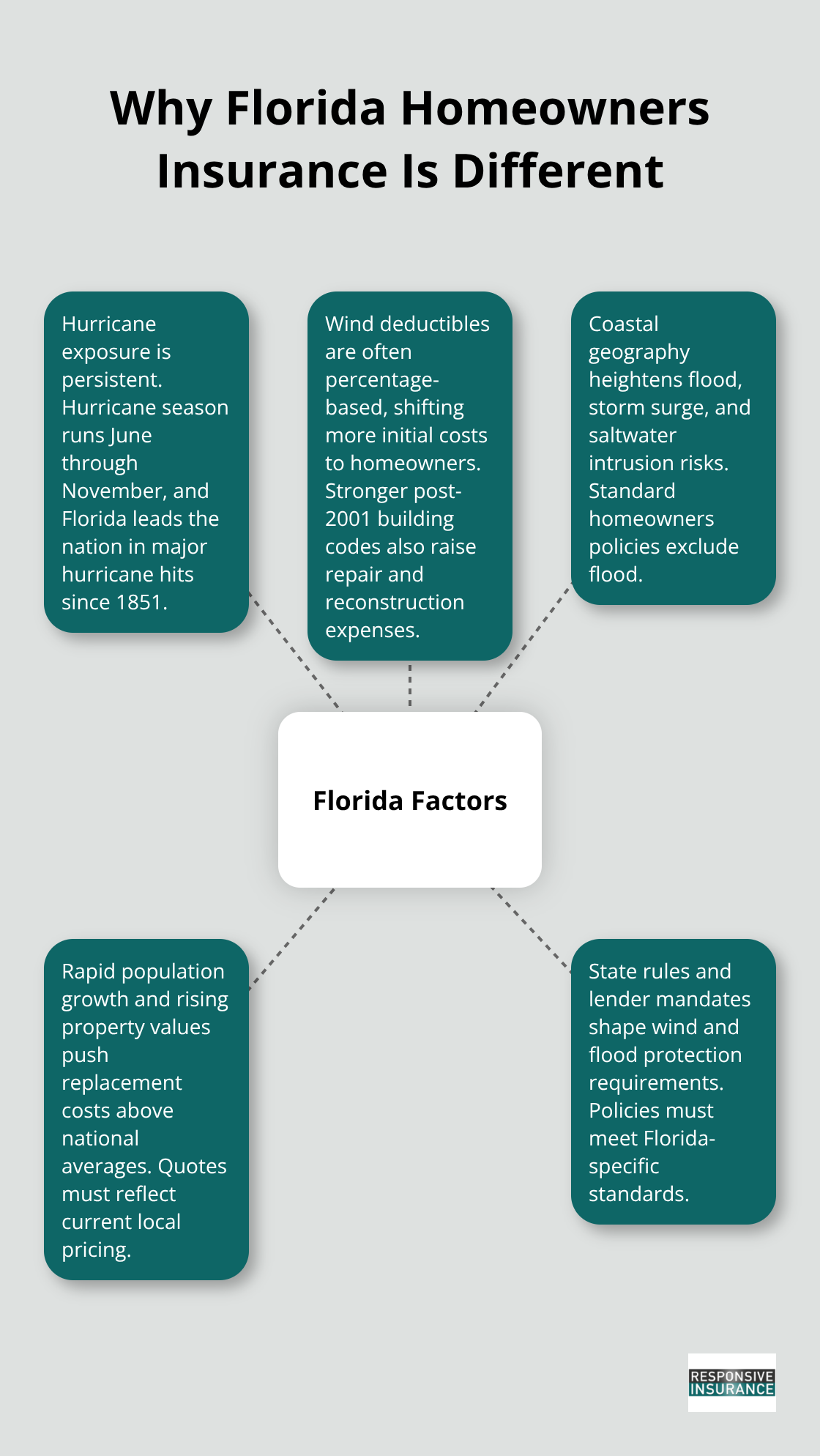
The state’s building codes have strengthened significantly since 2001, which affects repair and reconstruction expenses. These factors combine to make Florida homeowners insurance more expensive and more complex than policies in inland states.
Hurricane and Wind Coverage Requirements
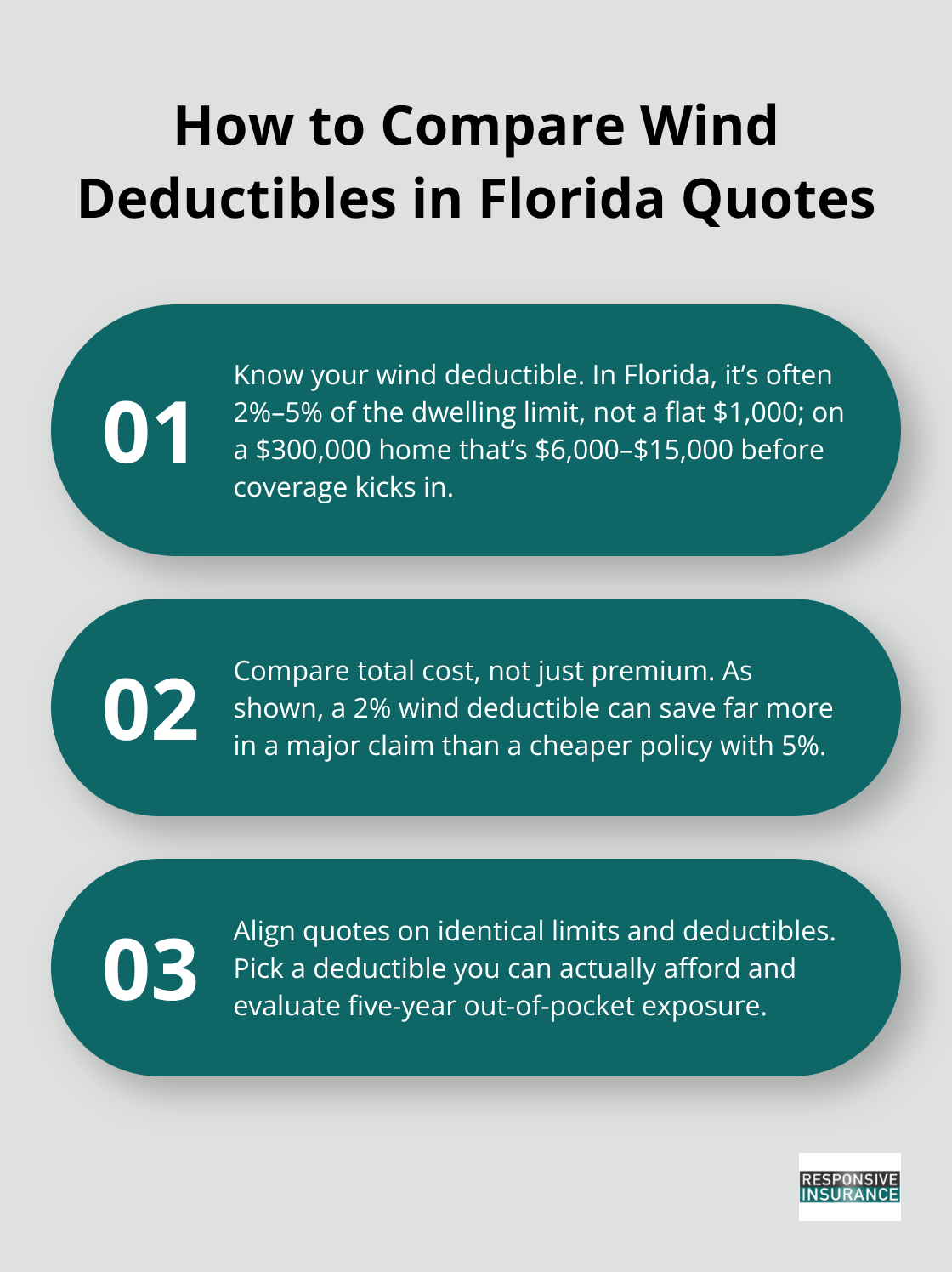
Florida law mandates that mortgage lenders require homeowners to carry insurance covering wind and hail damage, which represents the primary peril in hurricanes. Most standard homeowners policies in Florida include this coverage, but the deductible structure differs dramatically from other states. Many Florida policies use a percentage-based deductible for wind and hail-typically 2 to 5 percent of your home’s insured value-rather than a flat dollar amount. If your home is insured for $300,000 and you have a 2 percent wind deductible, you’d pay $6,000 out of pocket before coverage kicks in for hurricane damage. This percentage deductible applies specifically to wind and hail claims, separate from your standard deductible for other perils like theft or fire. The lowest premium might come with a 5 percent deductible that could cost you $15,000 on that same $300,000 home, so this distinction matters enormously when you review quotes.
Flood Insurance and Coastal Considerations
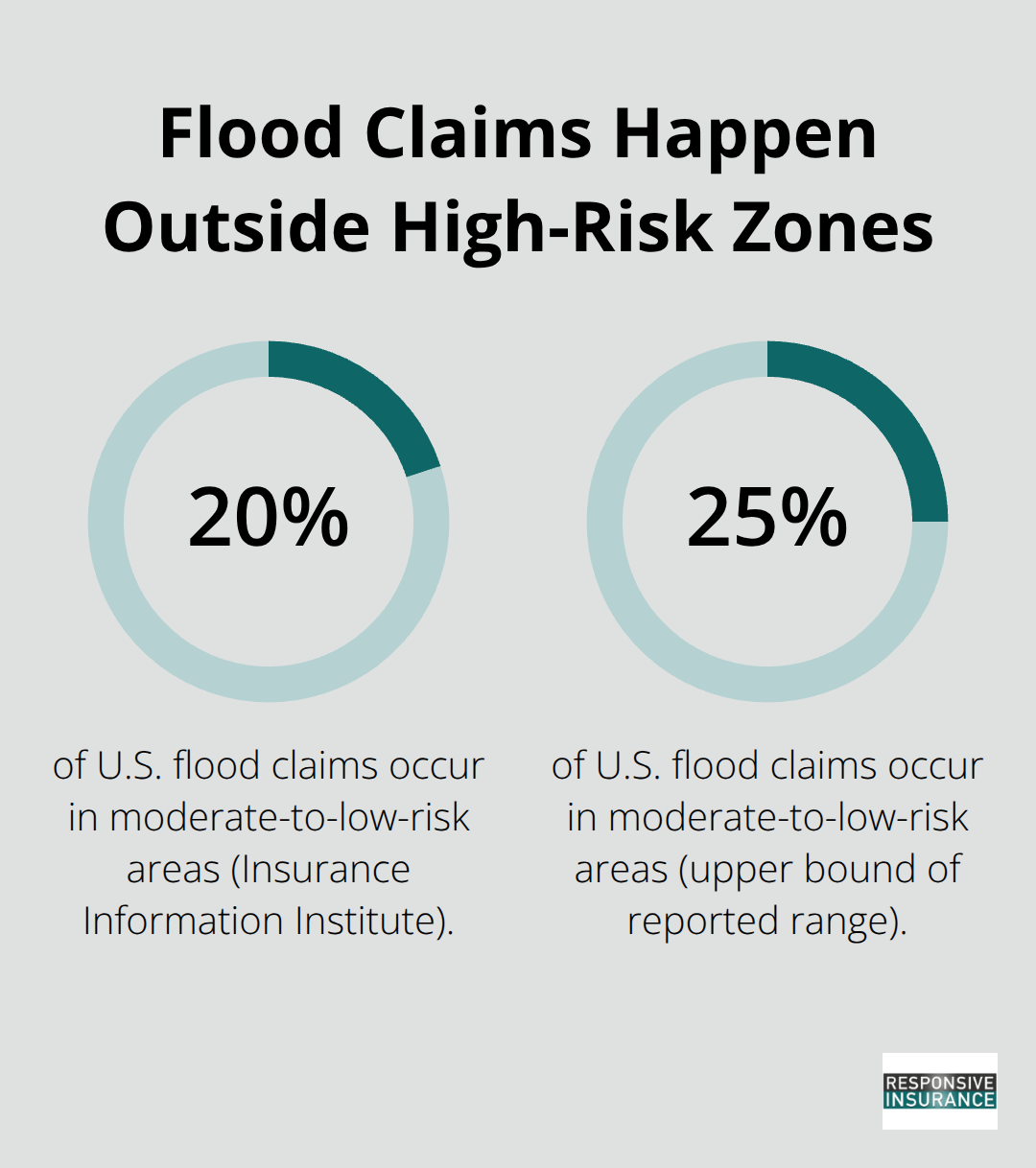
Flood damage does not appear under standard homeowners policies anywhere in the United States, but Naples residents face elevated flood risk due to proximity to the Gulf of Mexico and the Everglades. Federal flood insurance through the National Flood Insurance Program costs between $500 and $2,000 annually for most homeowners, though rates vary based on flood zone designation and home elevation. If your property sits in a high-risk flood zone designated as Special Flood Hazard Area, your mortgage lender will require you to purchase flood insurance as a condition of the loan. The Insurance Information Institute reports that 20 to 25 percent of flood claims occur in moderate-to-low-risk areas, making optional flood coverage a practical consideration for Naples properties even outside mandated zones. Coastal homes also face increased risk from storm surge and saltwater intrusion, which can damage foundations and landscaping beyond what standard coverage addresses. When comparing homeowners insurance quotes, you should factor in flood insurance as a separate line item, as it represents a non-negotiable expense for most Naples properties rather than an optional add-on.
Moving Forward with Your Quote Comparison
Understanding these Florida-specific requirements sets the foundation for your quote comparison process. The next section walks you through what to look for when you review actual quotes and how different coverage options affect your premium.
Comparing Quotes Side by Side
Align Coverage Before You Compare Prices
Three or four quotes arrive in your inbox within 20 minutes of submitting an online request, but comparing them properly requires focused attention. Resist the urge to pick the cheapest option immediately. Instead, print them out or open them on your screen and verify that each quote uses identical coverage limits and deductibles. A $400-per-year difference might vanish entirely once you adjust one quote to match another’s $5,000 wind deductible versus $10,000.
Look specifically at the dwelling coverage amount-this is what the insurer will actually pay to rebuild your home, not its market value. In Naples, replacement costs run $200 to $300 per square foot depending on construction quality and finishes, so a 3,000-square-foot home could easily need $600,000 to $900,000 in coverage. If a quote shows dwelling coverage of only $400,000 on a property that size, that policy leaves you dramatically underinsured, and the lower premium reflects that dangerous gap.
Evaluate Personal Property and Liability Protection
Check the personal property coverage limit as well, which typically covers your belongings and runs 50 to 75 percent of your dwelling coverage. Liability coverage should reach at least $300,000, though $500,000 or $1 million makes stronger sense if you own a pool or live on a high-traffic street. Don’t skip the details about what’s excluded-some policies exclude or severely limit coverage for detached structures, expensive items like jewelry, or damage from poor maintenance.
Understand Wind Deductibles in Florida Quotes
The deductible structure in Florida makes this comparison step genuinely important because wind deductibles work differently than standard deductibles. A standard $1,000 deductible applies to most claims like theft or fire, while your wind deductible applies specifically to hurricane damage. All insurance companies must offer hurricane deductible options of $500, 2 percent, 5 percent, or 10 percent of the policy dwelling or structure limits. This means you might pay $1,000 out of pocket for a fire claim but significantly more for wind damage on the same home.
When comparing quotes, calculate what each deductible scenario actually costs you over time. If Quote A charges $1,200 annually with a 5 percent wind deductible and Quote B charges $1,400 with a 2 percent wind deductible, Quote B saves you money in deductible expense if you file a major hurricane claim within five years. The Florida Insurance Council notes that homeowners in coastal areas file wind claims at significantly higher rates than inland residents, making this calculation worth your attention.
Use Tools and Local Expertise to Compare Options
Online comparison tools help you understand how options stack against each other without requiring hours of phone calls. Local agents can also provide quote comparisons across multiple carriers, which gives you a clearer picture of what’s available in your specific area. Some agents offer premium financing that spreads your annual bill into monthly payments, which improves cash flow if that matters to your household budget. With quotes aligned and deductibles calculated, you’re ready to identify which mistakes most homeowners make when selecting their final policy.
Mistakes That Cost Naples Homeowners Thousands
Underestimating Replacement Costs Creates Coverage Gaps
Naples homeowners consistently underestimate what it actually costs to rebuild their homes after major damage, and this single mistake creates catastrophic gaps in coverage. When you file a claim and discover your dwelling coverage falls $200,000 short of actual reconstruction costs, your insurance company pays their limit and you absorb the remainder. This happens because homeowners guess at replacement costs rather than obtaining a professional estimate from a contractor familiar with current Naples construction standards. Request updated replacement cost assessments every two to three years, especially if you’ve made significant home improvements or if five or more years have passed since your last quote.
Ignoring Flood Insurance Until It’s Too Late
Flood insurance represents the second critical gap that homeowners ignore until a storm surge arrives at their door. Standard homeowners policies exclude all flood damage, and the National Flood Insurance Program requires separate enrollment through your insurance agent or directly through their website. Naples residents outside mandatory flood zones often skip this coverage entirely, assuming their elevation or distance from water eliminates the risk.
The Insurance Information Institute data shows 20 to 25 percent of flood claims occur in moderate-to-low-risk areas, which means your location doesn’t guarantee safety. One significant rainfall event or storm surge can cost $50,000 to $200,000 in damages that your homeowners policy refuses to cover, leaving you personally liable for every dollar. Coastal properties face storm surge risks that inland residents never encounter, making flood coverage a practical necessity rather than an optional add-on for Naples homeowners.
Choosing Policies Based on Price Alone
The third mistake involves selecting policies based purely on annual premium without calculating total cost of ownership, which includes deductibles and actual protection levels. A policy costing $1,100 annually with a 5 percent wind deductible on a $600,000 home means you’d pay $30,000 out of pocket for hurricane damage before coverage begins. A competitor’s quote at $1,400 annually with a 2 percent deductible costs you only $12,000 per claim, recovering the $300 annual difference in less than two years if you experience wind damage.
Coastal Naples properties file wind claims at substantially higher frequencies than inland Florida homes, making this calculation genuinely relevant rather than theoretical. Compare total out-of-pocket exposure across five-year and ten-year periods rather than focusing on the lowest monthly payment, and you’ll make decisions that actually protect your financial security. An independent agency like Responsive Insurance, Inc. can help you calculate these scenarios across multiple carriers, showing you the real cost of each option over time.
Final Thoughts
Finding the right Florida homeowners insurance quotes requires you to balance adequate coverage, manageable deductibles, and sustainable premiums. Naples homeowners who skip this analysis often discover too late that their cheapest option leaves them dangerously underinsured or exposed to catastrophic out-of-pocket costs when hurricanes strike. The replacement cost calculation, flood insurance decision, and wind deductible structure determine whether your policy actually protects your financial security or merely creates the illusion of protection.
Your next step involves gathering quotes from at least three carriers and aligning them on identical coverage limits before you compare prices. Request dwelling coverage amounts based on current replacement costs in Naples, verify that flood insurance is either included or properly quoted separately, and calculate your total five-year cost including deductibles rather than focusing on annual premiums alone. This process takes two to three hours but prevents mistakes that could cost you tens of thousands of dollars when damage occurs.
Working with a local agent transforms this process from overwhelming to manageable. An independent agency like Responsive Insurance, Inc. works with multiple A-rated insurance companies to compare coverage options across carriers, showing you scenarios you wouldn’t discover through online quote tools alone. Contact us to review your current Florida homeowners insurance quotes or start fresh with a comprehensive analysis of what your Naples home actually needs for complete protection.


