Everything You Need to Know about Flood Insurance in Florida
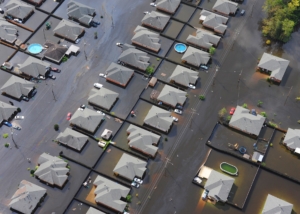
Floods can happen anywhere. Even if you don’t live near a large body of water, localized flooring or storm surge can occur. If water breaches your property, it can undermine the home’s structure not to mention damage the entire interior. As a result, the costs associated with flooding can add up fast. In fact, as little as one inch of water can lead to $25,000 or more in damages to your home.
Is flood insurance included in my homeowner’s policy?
According to a study done on behalf of the National Flood Services, 62% of US homeowner’s say they’re prepared for a flood. But only 12% have any form of flood insurance. While this could be due to homeowner’s predicting they won’t need coverage, a large contributing factor could be that most don’t realize flood coverage is not included in their standard homeowner’s policy. Many times, flood insurance must be purchased as a stand-alone policy.
Where can you purchase flood insurance?
The National Flood Insurance Program (NFIP), administered by FEMA, provides the majority of residential flood coverage in the US. However, flood insurance is also offered by some independent, private companies.
What’s not covered with flood insurance?
If you plan on purchasing flood insurance, it’s best to know what’s not covered and what will need to be covered separately. Here’s a rundown of what isn’t covered in a typical NFIP policy:
- Damage caused by residual moisture, mildew, or mold that is not attributable to the flood or could have been prevented by the owner of the property.
- Damage caused by earth movement that occurred due to flooding.
- Additional living expenses, such as accommodation or meals, while the building is uninhabitable and undergoing repairs or being rebuilt.
- Financial losses caused by business interruption – no employee wage coverage.
- Property and belongings outside the perimeter of the insured building, such as trees, plants, wells, septic systems, walks, decks, patios, fences, and pools.
Federal flood insurance coverage is capped at $250,000 per building and $100,000 for contents, though policies with lower limits can be purchased. For non-residential properties, building coverage up to $500,000 is available. For condo associations, higher limits for building coverage can be purchased based on the # of units in the building and the replacement cost of the building.
How much can you expect to pay for flood insurance?
According to FEMA, most homeowners living in low-to-moderate risk areas pay less than $400 annually for flood coverage. Naturally, rates increase if you live in an area that’s considered a high risk for flooding. The average cost of flood insurance in Florida, for example, is estimated at $570 a year. Non-primary homes are approximately $225 per year more premium to insure.
While you can’t prevent floods from happening, you can protect yourself from the costs associated with flood damage. The best way to get more information on flood insurance is to ask a licensed agent in our office. We can assist you with assessing your insurance needs and provide you with some options.
Get A Quote for Flood Insurance Today
Our licensed staff is ready to help you flood insurance options. Because we’re an independent insurance agency, we can provide multiple options to help you find the right coverage at the right price. We can also compare the pros/cons for your specific scenario of the National Flood Insurance Program coverage versus coverage available through private companies.
The above description provides a brief overview of the terms and phrases used within the insurance industry. These definitions are not applicable in all states or for all insurance and financial products. This is not an insurance contract. Other terms, conditions and exclusions apply. Please read your official policy for full details about coverages. These definitions do not alter or modify the terms of any insurance contract. If there is any conflict between these definitions and the provisions of the applicable insurance policy, the terms of the policy control.


