
Flood Insurance Florida Basics: Essentials for Homeowners
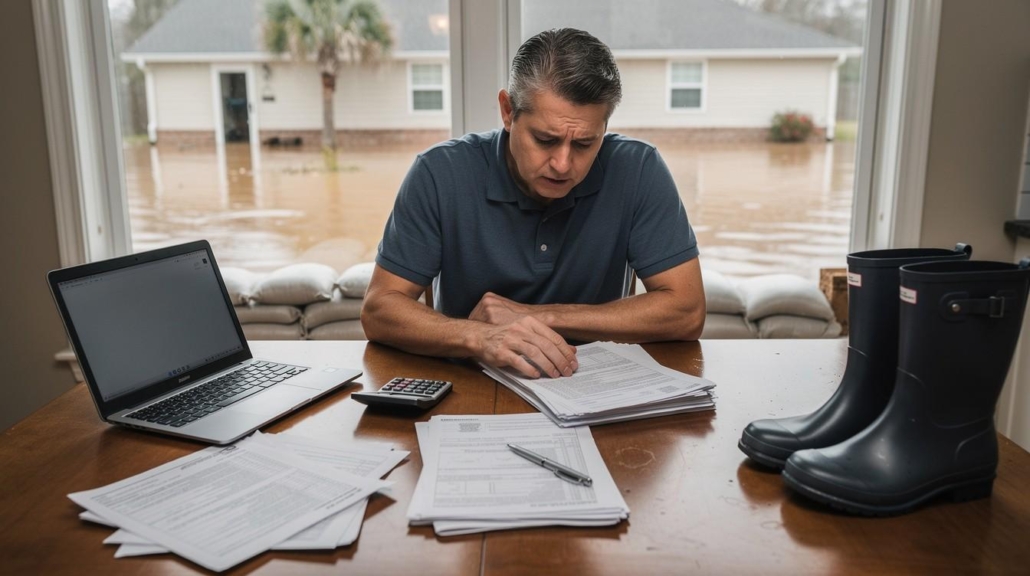
Florida homeowners face a reality that most don’t expect: standard homeowners insurance won’t cover flood damage, no matter how catastrophic the loss. With Florida’s geography and weather patterns, flooding isn’t a rare event-it’s a genuine threat that affects property values and finances.
At Responsive Insurance, Inc., we’ve helped countless Naples residents understand flood insurance Florida basics and find the right protection. This guide walks you through your options, so you can make an informed decision about your home’s safety.
Why Flood Insurance Matters in Florida
Florida’s Geography Creates Unavoidable Flood Risk
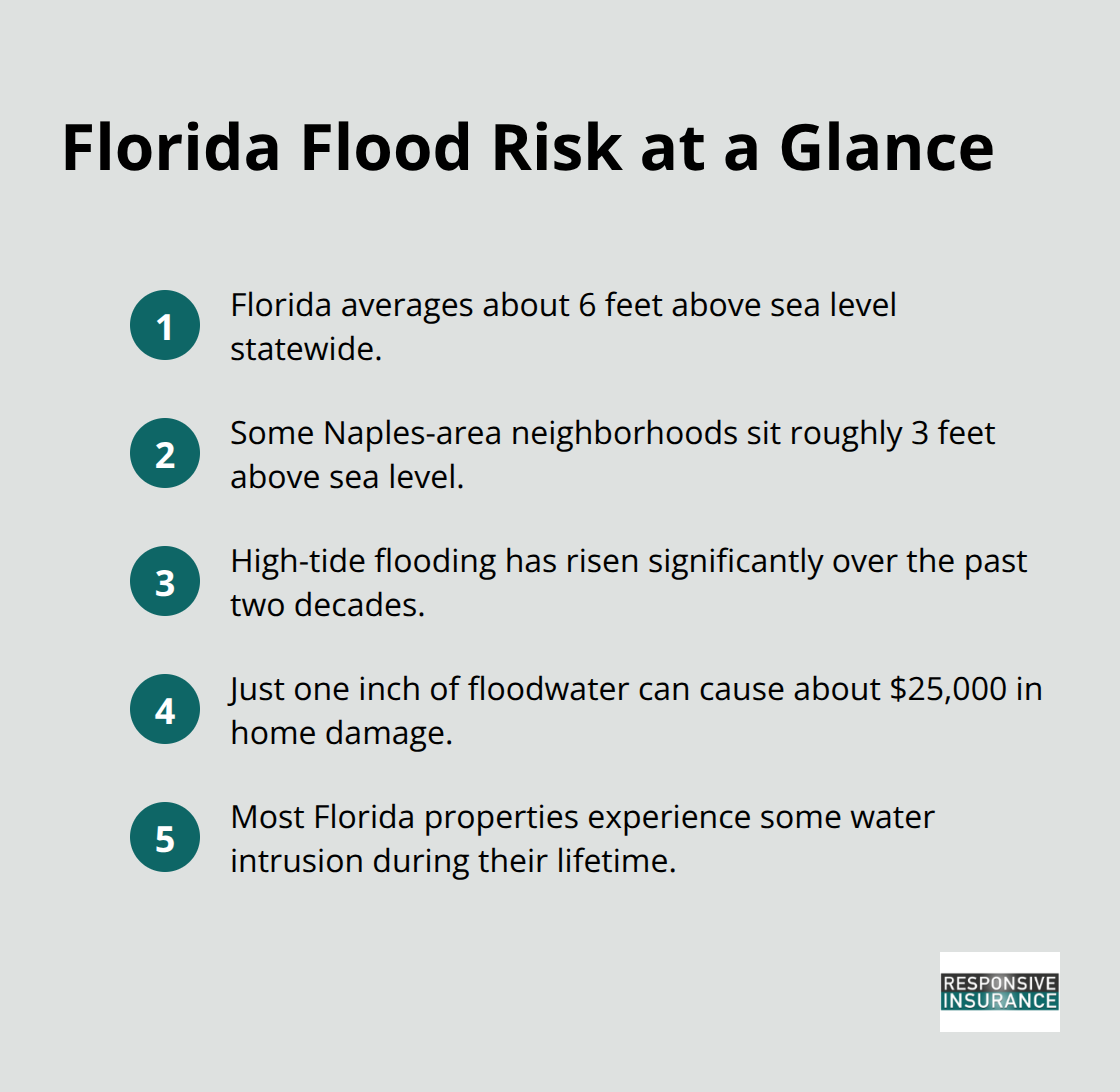
Florida’s location makes flooding inevitable, not optional. The state sits just 6 feet above sea level on average, with some areas in Naples and surrounding regions barely 3 feet above sea level. According to the National Oceanic and Atmospheric Administration, high tide flooding has increased significantly over the past two decades. When you add hurricane season, tropical storms, and heavy rainfall events, the risk compounds dramatically. The Federal Emergency Management Agency reports that one inch of floodwater causes approximately $25,000 in damage to a home, and most Florida properties experience some form of water intrusion during their lifetime. This isn’t theoretical risk-it’s the reality of owning property in Naples and throughout Florida.
Your Standard Homeowners Policy Leaves You Exposed
Here’s what most homeowners don’t realize until it’s too late: your homeowners insurance policy explicitly excludes flood damage. The National Association of Insurance Commissioners confirms that standard homeowners policies cover wind damage from hurricanes but not the flooding that typically causes the most destruction. This distinction matters enormously. During Hurricane Ian in 2022, flooding caused an estimated $112 billion in damage across Florida, yet homeowners without separate flood insurance recovered only a fraction of their losses. Your mortgage lender requires homeowners insurance, but they don’t require flood insurance-even if your property sits in a flood zone. This gap between what you think you’re covered for and what you actually are covered for has bankrupted countless Florida families. You need a separate flood insurance policy, period.
Repair Costs Demand Financial Protection
Flood damage repairs aren’t cheap. The average cost to repair flood damage in a home exceeds $30,000, according to data from the Insurance Information Institute. Many properties face costs double or triple that amount. Without flood insurance, you personally absorb every penny of repair, cleanup, and replacement costs. FEMA assistance exists, but it comes with strict requirements and repayment obligations that limit what most homeowners actually receive. Your home equity, retirement savings, and future financial stability become vulnerable the moment a storm system stalls over Southwest Florida. Flood insurance costs between $500 and $2,000 annually for most Naples properties, depending on risk level-a manageable expense compared to the alternative of absorbing catastrophic losses yourself.
Understanding Your Coverage Options Starts Now
The choice between National Flood Insurance Program policies and private flood insurance alternatives depends on your specific property and risk profile. Each option offers different coverage limits, deductibles, and premium structures that directly affect your out-of-pocket costs when flooding occurs. Comparing these options requires understanding your flood zone designation and what that means for your home’s actual risk level.
Your Flood Insurance Options Compared
NFIP Policies Offer Federal Backing and Accessibility
The National Flood Insurance Program covers the majority of Florida flood policies, but it’s not your only choice, and it’s not always your best choice. NFIP policies carry federal government backing and availability in nearly every flood zone across Naples, making them accessible and predictable. According to the National Association of Insurance Commissioners, NFIP policies cover up to $250,000 for building coverage and $100,000 for personal property on residential properties. The program charges premiums based on your property’s flood zone designation, with rates ranging from approximately $500 annually for low-risk properties to $5,000 or more for high-risk coastal areas.
However, NFIP carries significant limitations. The program operates at a deficit and has borrowed billions from the federal government after major hurricanes, which means future rate increases are virtually guaranteed. Claims processing through NFIP can stretch months, and the program’s outdated rate structure doesn’t always reflect current flood risk accurately.
Private Flood Insurance Offers Speed and Higher Limits
Private flood insurance alternatives have emerged as competitive options, particularly for Naples homeowners with properties in moderate-to-high risk zones. Private insurers now write flood policies with faster claims processing, higher coverage limits reaching $500,000 or more for buildings, and more flexible underwriting. Premiums for private flood policies can run 20 to 40 percent lower than NFIP for the same coverage in many cases, especially for newer homes or properties with recent flood mitigation improvements.
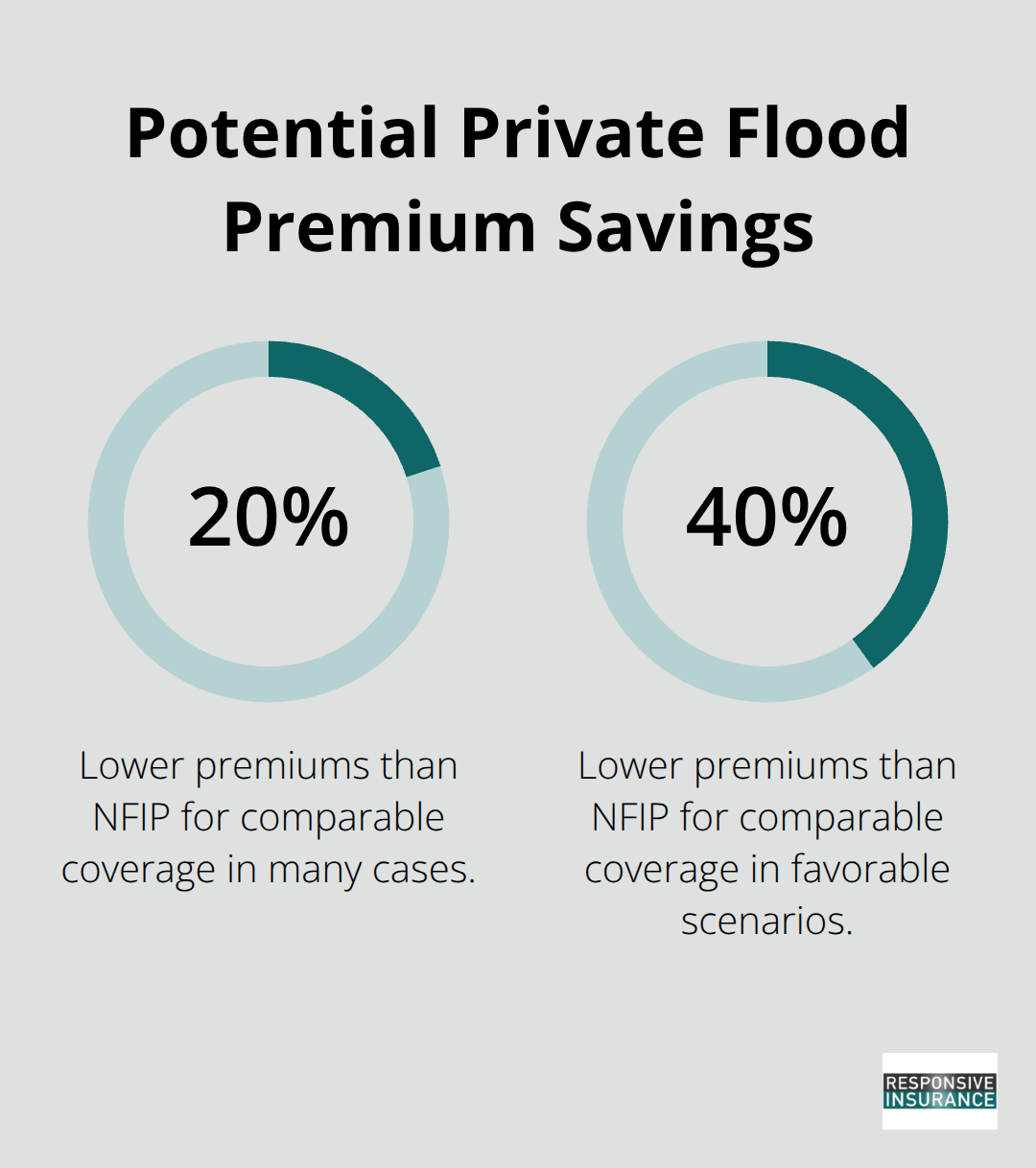
Private insurers also typically offer better customer service and quicker claims resolution, with some processing claims within days rather than months. The trade-off is that private insurers can cancel policies or decline renewals if losses mount, whereas NFIP cannot.
Deductibles Shape Your Premium and Out-of-Pocket Risk
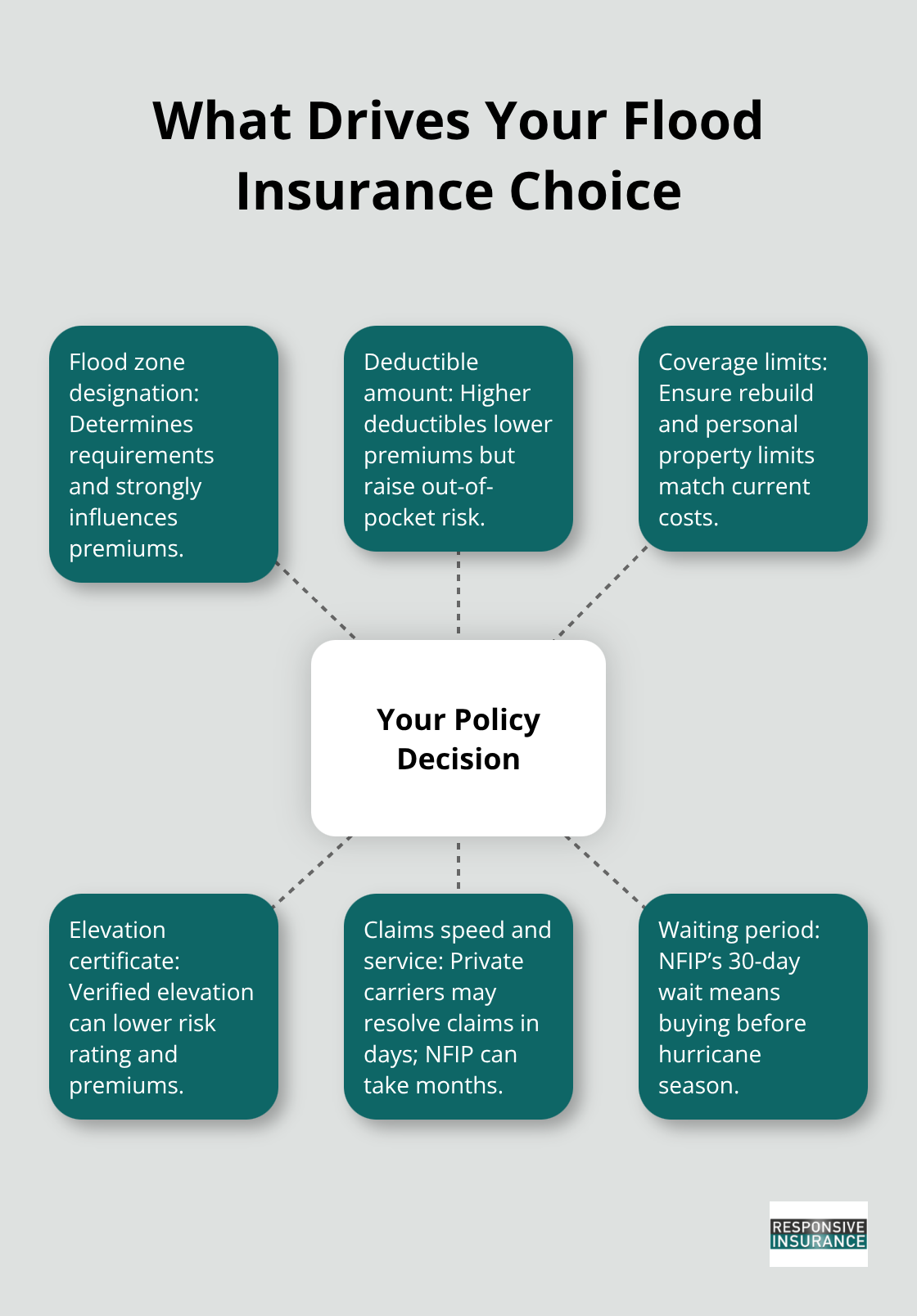
Your deductible choice directly impacts both your monthly premium and your financial exposure during a flood event. NFIP offers standard deductibles of $500, $1,000, $2,500, or $5,000, with higher deductibles producing lower premiums. Private flood insurers typically offer deductible options starting at $1,000 and ranging up to $10,000 or higher. A homeowner paying $800 annually for an NFIP policy with a $1,000 deductible might reduce that premium to $650 by selecting a $5,000 deductible, but that means absorbing the first $5,000 of repair costs out of pocket during a flood. For Naples properties, this calculation matters enormously because even minor flooding from tropical storms can trigger $3,000 to $8,000 in damage.
Coverage Limits Require Honest Assessment
Coverage limits vary significantly between options. NFIP’s $250,000 building limit sounds substantial until you consider that replacing a damaged home in Naples often exceeds $400,000 to $600,000 in current construction costs. Private flood policies fill this gap with higher limits, though premiums increase accordingly. The Insurance Information Institute reports that approximately 40 percent of flood losses occur in properties outside high-risk flood zones, meaning moderate-risk homeowners often underestimate their exposure and purchase inadequate coverage limits. You should review your rebuild costs with a contractor estimate rather than guessing at coverage needs.
Comparing Your Options Side-by-Side
Most Naples homeowners benefit from comparing both NFIP and private options side-by-side, as the best choice depends on your specific flood zone, property value, and risk tolerance. The next step involves assessing where your property actually sits within Florida’s flood zone designations and what that means for your specific risk profile.
How to Choose and Purchase Flood Insurance
Find Your Flood Zone Designation First
Start with your flood zone designation because it determines everything else. Visit the Federal Emergency Management Agency’s flood zone designation tool and enter your property address to see your official flood zone. Naples properties fall into zones ranging from X (minimal risk) to AE (high risk with base flood elevation). Your zone isn’t just a label-it directly affects your insurance requirements and premium costs.
If your property sits in a high-risk zone, your mortgage lender mandates flood insurance. If you’re in a moderate-risk zone, insurance is optional but financially reckless to skip. The Insurance Information Institute reports that 40 percent of flood losses occur outside high-risk zones, so don’t assume your moderate-risk designation means minimal exposure.
Get a Flood Elevation Certificate
A professional flood elevation certificate costs $300 to $500 and often qualifies you for lower premiums that pay for itself within months. This certificate proves your property’s exact elevation relative to the base flood elevation for your zone. If your property sits near the boundary between zones, this document can shift you into a lower-risk category and reduce your annual costs substantially.
Compare Quotes from Multiple Carriers
Gather quotes from both NFIP and private insurers because the price differences are substantial. An independent agent can access multiple carriers simultaneously rather than shopping one company at a time. When comparing quotes, don’t just look at annual premiums-examine the deductible amounts, building coverage limits, and whether personal property is included.
A cheaper NFIP quote with a $5,000 deductible might cost you far more out-of-pocket during an actual flood than a private policy with a $1,000 deductible. Factor in your financial capacity to absorb the deductible amount if flooding occurs. For most Naples homeowners, a $1,000 to $2,500 deductible represents the sweet spot between manageable premiums and reasonable out-of-pocket risk.
Purchase Your Policy Immediately
Purchase your policy immediately rather than waiting for hurricane season to arrive-NFIP policies have a 30-day waiting period before coverage activates, meaning you remain unprotected if you wait until August to apply. This delay has left countless Florida homeowners without coverage when storms arrived sooner than expected.
Review and Update Annually
Review your policy annually before hurricane season and update coverage limits if you’ve made home improvements or if construction costs in your area have increased. Your coverage limits from five years ago likely fall short of current rebuild costs in Naples, where construction expenses have risen significantly. An annual review takes 30 minutes and protects you from the costly mistake of underinsurance.
Final Thoughts
Flood insurance Florida basics come down to one fact: standard homeowners insurance won’t protect your property, and waiting until hurricane season arrives leaves you exposed. We at Responsive Insurance, Inc. have guided countless Naples residents through this decision, and the pattern remains consistent-homeowners who act now avoid financial devastation when storms strike. Your next step requires obtaining your flood zone designation from FEMA’s mapping tool, then gathering quotes from both NFIP and private insurers to compare actual costs for your property.
The price differences between carriers often exceed $1,000 annually, making comparison shopping worth your effort. If your property sits in a high-risk zone, your mortgage lender requires flood insurance anyway, so purchasing coverage becomes mandatory rather than optional. If you’re in a moderate-risk zone, the fact that 40 percent of flood losses occur outside high-risk areas should convince you that optional doesn’t mean unnecessary.
Contact Responsive Insurance, Inc. to discuss your property’s needs and receive quotes that reflect your actual risk profile and financial circumstances. We work with multiple A-rated insurance companies to compare coverage options and find the best fit for your specific situation. We understand Southwest Florida’s unique flood risks and can walk you through your options without pressure or confusion.


